Pick the wrong month in Dubai and your holiday changes completely. The same beach that feels perfect in January can feel like hard work in August, and the desert trip you pictured at sunset can turn into a test of endurance at noon in July. That is why this guide to Dubai weather by month keeps things simple and honest: the real Dubai temperature by month, what the sea feels like, how much rain to expect, what to wear in Dubai in each season, and which month suits the trip you actually want.
Quick Answer: Dubai weather is at its best from November to March, when days sit between 24°C and 29°C and evenings are mild. December and January are the coolest months. July and August are the hottest, at around 42°C in the day. The sea is swimmable all year. Come in summer only if you plan your days around air conditioning, early starts and evenings outdoors.
Dubai Temperature by Month (At a Glance)
Here is the whole year on one table. Read the day temperature for sightseeing, the night temperature for evenings outdoors, and the sea temperature before you promise anyone a beach day.
| Month | Day avg high (°C) | Night avg low (°C) | Sea temp (°C) | Rain |
|---|---|---|---|---|
| January | 24 | 15 | 23 | A few rainy days |
| February | 26 | 16 | 22 | A few rainy days |
| March | 29 | 19 | 23 | A few rainy days |
| April | 34 | 22 | 26 | Very rare |
| May | 38 | 26 | 29 | Almost none |
| June | 40 | 29 | 31 | None |
| July | 42 | 31 | 32 | Almost none |
| August | 42 | 32 | 33 | Almost none |
| September | 40 | 29 | 32 | Almost none |
| October | 36 | 25 | 30 | Very rare |
| November | 31 | 21 | 28 | Very rare |
| December | 27 | 17 | 25 | A few rainy days |
Long-term averages, rounded to the nearest degree. Sea temperatures are monthly averages for the Gulf off Dubai, and any single week can sit a little above or below these figures.

Dubai Weather by Month, Explained Simply
Numbers only tell half the story. This is what each month actually feels like on the ground, and what it means for your plans.

January – The Coolest Month (24°C / 15°C)
January is the coolest month of the year in Dubai, and many residents quietly call it the best. Days are bright and comfortable for walking, beaches and outdoor cafes, while evenings drop enough that you will want a jacket, especially near the water or out in the desert. Pack layers rather than heavy coats, and expect the city at its liveliest.
February – Cool, Bright and Easy (26°C / 16°C)
February is much like January, just a touch warmer. It is still proper outdoor weather: boat trips, souks, old Dubai and long lunches outside all work without planning around the sun. Evenings stay cool, so keep that light jacket in the suitcase. It is one of the safest months to book if you dislike heat.
March – The Sweet Spot (29°C / 19°C)
March is the sweet spot between winter and summer. The sea is warming up, days are hot enough for the beach but not punishing, and evenings are warm without being sticky. If you want winter Dubai without peak-season crowds, March is often the smart pick.
April – Heat Arrives, Outdoor Season Closing (34°C / 22°C)
In April the heat arrives properly. Mornings and evenings are still lovely outdoors, but the middle of the day starts to push you towards shade and air conditioning. Think of April as the outdoor season closing: still a good month to visit, as long as you plan like a local and keep noon for indoor plans.
May – Hot, So Plan Indoors (38°C / 26°C)
May is hot, full stop. Sightseeing moves to early mornings and evenings, and the big indoor attractions, malls and museums carry the middle of the day. Hotel prices soften, the sea is bath-warm, and a pool with shade becomes the centre of the trip. It can work well, but only with a summer mindset.
June – Very Hot, Saved by the Sea Breeze (40°C / 29°C)
June is very hot and humid, and outdoor time shrinks to sunrise and after dark. One of the few outdoor plans that still feels good is being on the water: an evening trip from the marina catches a real breeze, which is why our Dubai Marina cruise guide is worth reading before you book a June evening.
July – The Hardest Month (42°C / 31°C)
July is the hardest month in Dubai, with the highest temperatures and heavy humidity. Locals build the day around indoor attractions, and visitors should copy them: water parks early, malls and indoor theme parks at noon, and rooftops only late at night. Treat July as an indoor holiday with warm evenings, not a beach holiday.
August – Peak Heat, Warmest Sea (42°C / 32°C)
August matches July for heat and has the warmest sea of the year at around 33°C, which can feel more like a bath than a swim. It is also one of the cheapest months to visit, with quiet attractions and big hotel deals. Come for value and indoor plans, not for long days outside.
September – The Heat Breaks (40°C / 29°C)
September is when the heat finally breaks. It is still hot, but evenings start to feel usable again and the city wakes up: outdoor attractions prepare to reopen, including the new season covered in our Dubai Safari Park guide. It is a month of low prices and slowly returning life.
October – The Season Wakes Up (36°C / 25°C)
October is when the season in Dubai wakes up. Days are still hot, but evenings turn pleasant, terraces fill, and two favourites return: plan with our Global Village guide and our Dubai Miracle Garden guide. By late October, being outdoors in the evening feels like the Dubai everyone talks about.
November – Perfect Dubai Weather (31°C / 21°C)
November is perfect for most people: warm days, mild evenings, a warm sea and almost no rain. Beaches, desert trips, walking tours and outdoor dining all work at the same time. If you can only come once and want the classic trip, November is very hard to beat.
December – The Famous Month (27°C / 17°C)
December is the famous month, and it earns it: festive lights, outdoor markets, beach days and cool evenings. It is also peak season, so prices and queues rise. Book the big sights early, above all the tower in our Burj Khalifa guide, and pack for both beach afternoons and jacket evenings.
What to Wear in Dubai (By Season)

Winter (December to February): Light Layers and a Jacket
Pack summer clothes for the day and real layers for the evening. T-shirts, light trousers and dresses work at noon, but after sunset, and on desert trips and boat trips, a jacket or warm jumper makes the difference between pleasant and chilly. Closed shoes are handy for old Dubai and the desert.
Spring and Autumn (March to April, October to November): Summer Clothes, One Layer
These months run on summer clothes: breathable fabrics, shorts and dresses, with one light layer for air-conditioned malls and the odd cooler evening in March or November. Sandals are fine in the city; trainers are better for big walking days.
Summer (May to September): Breathable, Loose and Sun-Smart
In summer, dress for the heat first: loose, light, breathable clothing, a hat, sunglasses and strong sunscreen. Natural fabrics feel far better than synthetics at 40°C. Carry a light layer anyway, because indoor air conditioning in Dubai is famously cold.
One respectful note for every season: Dubai is relaxed in resorts, beaches and most tourist areas, but dress modestly in malls, the old town, public offices and places of worship. Shoulders and knees covered is a safe rule, swimwear belongs at the beach and the pool only, and women need a headscarf to enter a mosque.
Best Month for What You Want to Do

- For the beach: November to April. Warm sea, bearable air, and you can stay out past 10 a.m. without suffering.
- For a desert safari: November to February, when the dunes are comfortable and desert evenings are cool. Our desert safari Dubai guide covers what happens, what it costs and what to wear.
- For Global Village and Miracle Garden: Both are winter-season attractions, roughly late October to April or May. Any month in that window works; December and January are the most atmospheric.
- For the cheapest trip: June to August. Hotels discount hard in peak heat, as long as you plan an indoor-heavy trip.
- For the fewest crowds: September and May, the shoulder months either side of summer, with lower prices and quieter attractions.
- For walking everywhere: December to February, the only months when crossing the city on foot all day is genuinely pleasant.
Visiting in Summer? 5 Rules That Save Your Trip

- Start at sunrise. Do anything outdoors before 9 a.m., when summer days are merely warm instead of dangerous.
- Hide indoors from 11 a.m. to 4 p.m. Malls, museums, aquariums and indoor attractions are not a compromise in summer; they are the plan.
- Move like a local. Use the air-conditioned Metro, covered walkways and taxis door to door. Even a ten-minute walk at noon can ruin an afternoon.
- Drink before you are thirsty. Carry water everywhere, add electrolytes on very active days, and treat a hat and sunscreen as essentials, not extras.
- Save the outdoors for after sunset. Marina walks, fountain shows, souks and rooftop dinners all come back to life once the sun drops.
Does It Rain in Dubai?
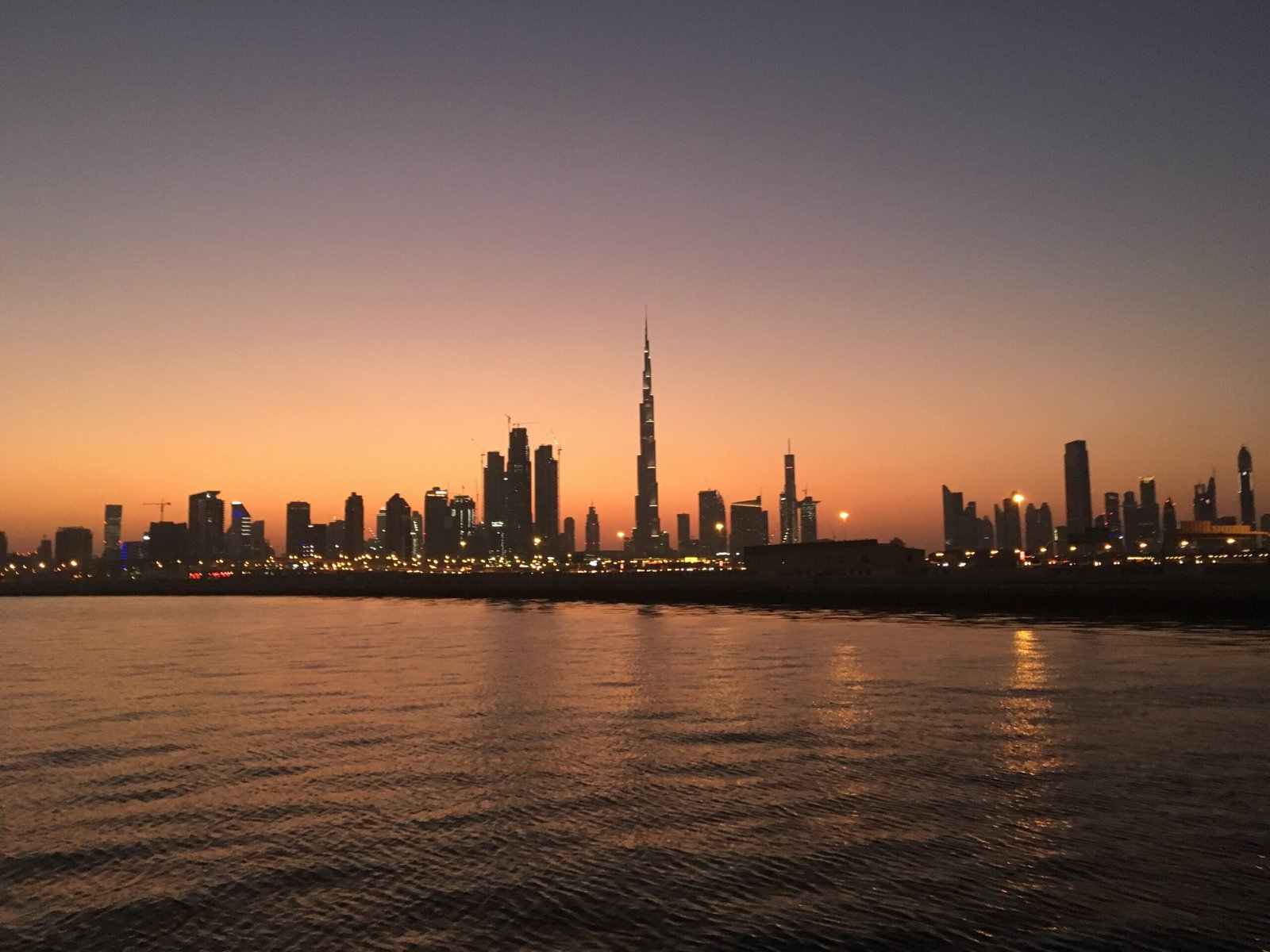
Yes, but not much. Dubai’s rain falls almost entirely in winter, roughly December to March, and usually arrives as a few short, sharp spells rather than days of drizzle. Locals treat a rainy day as an event; roads can slow down because the city is simply not built around rain, so allow extra time if a wet day lands during your trip.
The other weather to know is the shamal, a north-westerly wind that can blow dust and sand across the city, most often in late winter and summer. A shamal day turns the sky milky, cuts the view from tall buildings and can make the beach gritty. It usually passes within a day or two, and indoor plans carry you through it easily.
Dubai Weather FAQs
What is the coldest month in Dubai?
January is the coldest month in Dubai, averaging 24°C by day and 15°C at night. You will want a jacket in the evening, but days are mild and sunny.
What is the hottest month in Dubai?
July and August share the title, averaging around 42°C by day and 32°C at night, with high humidity. Plan an indoor-heavy trip in either month.
Is Dubai too hot in October?
No. October averages 36°C by day, which is hot at noon but very manageable with early starts, and evenings at around 25°C are pleasant. By late October the outdoor season is properly under way.
Can you swim in the sea in Dubai in winter?
Yes. The sea stays between about 22°C and 25°C through winter, which most visitors find comfortable, and many hotel pools are heated. Winter is peak beach season in Dubai.
What should I wear in Dubai in December?
Pack for both halves of the day: light clothes, swimwear and sandals for sunny afternoons at 27°C, and a jacket or warm layer for evenings at around 17°C, especially for desert trips and boat trips.
Can you trust a 30-day weather forecast for Dubai?
Not in detail. No forecast can honestly tell you the temperature on a specific day next month. What you can trust is the pattern in the table above: month averages are the honest long-range view, because Dubai weather follows its seasons very reliably. Check the short-range forecast a few days before you travel for the fine detail.
What is the best time to visit Dubai overall?
November to March is the best time overall, with November the sweet spot for warm seas and comfortable days, and December to February the coolest and most popular months. Every classic Dubai plan, from beaches to desert safaris, works in that window.
Final Word
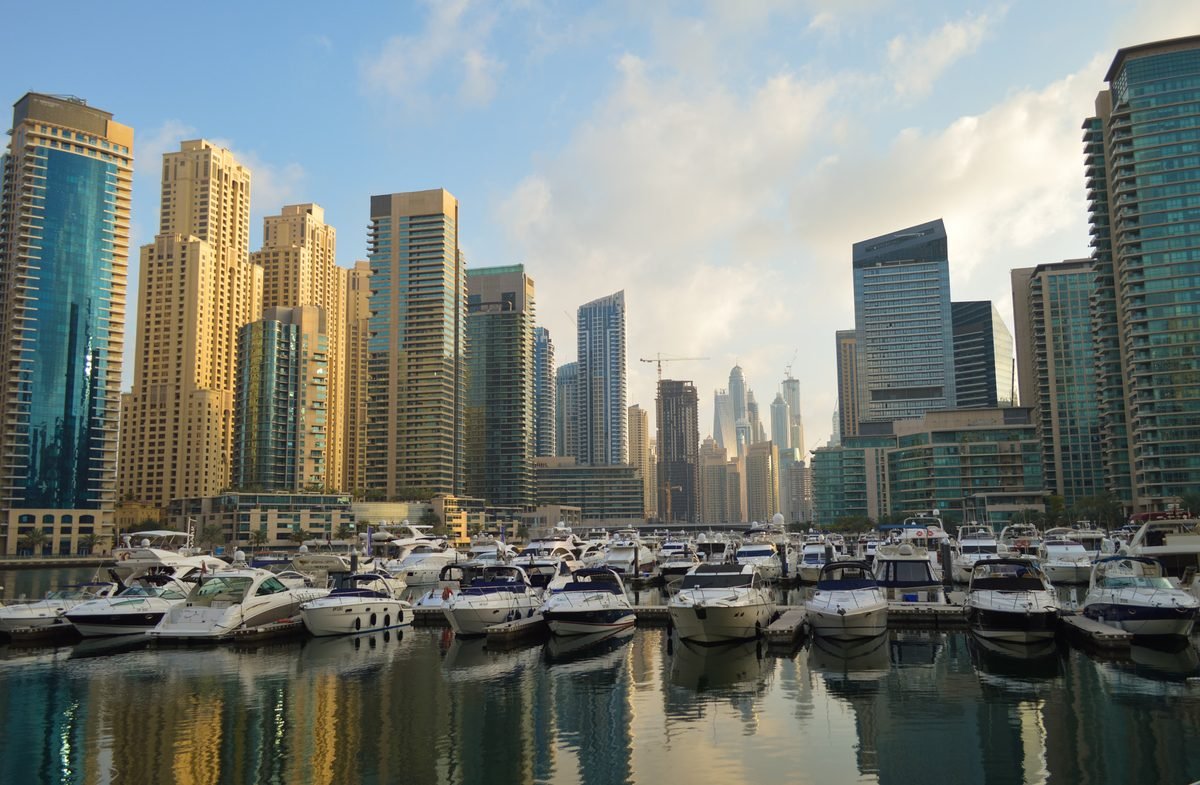
Dubai does not really do bad weather; it does the wrong month for the trip you planned. Match the month to what you want, beach days and desert nights in winter, indoor sights and bargain hotels in summer, and the city works in every single month of the year. Pick your month from the table, pack for that month honestly, and Dubai will do the rest.
Averages in this guide are long-term climate figures, checked 10 October 2026 against long-term climate records for Dubai. Weather on any single day can sit a few degrees above or below these averages, so check the short-range forecast just before you travel.

The Dubai Tours and Safari editorial team researches and updates our Dubai and UAE travel guides, checking prices, timings and facts against official sources.